
If you've started looking into food after menopause, you've probably been told three different things. Cut carbs completely. Go keto. Or stop worrying and just eat "everything in moderation".
No wonder it feels confusing.
I take a different approach with the women I work with, and I call it The Carb-Conscious Method. Here's what it means, and what it doesn't.
The short answer
Carb-Conscious means paying attention to the type of carbohydrate you eat, how much, and what you eat it with, so your blood sugar stays steadier through the day.
In practice, that means building your meals around protein and fat, with plenty of above-ground vegetables, and moving away from relying on bread at breakfast and lunch. Pasta and rice can still have a place, but as an extra alongside the meal rather than the base of it. No foods are banned, you don't count every gram, and you don't need to go into ketosis.
Why carbs matter more after menopause
After menopause, falling oestrogen is linked with changes in how the body responds to insulin [1]. In plain terms, your body can become less efficient at dealing with sugar from your food. For some women this shows up as bigger blood sugar swings, stronger cravings, tiredness after meals and more fat stores appearing around the middle.
If you read my post on belly fat after menopause, you'll recognise this. It's one of the main reasons the way you ate in your 30s and 40s may not suit you now.
Carb conscious vs keto vs low carb
Keto: very low carbohydrate, with the aim of getting your body to run on ketones. It's strict, takes planning and can be hard to keep up long term.
Low carb: a lower carbohydrate intake, but usually still with a fairly fixed set of rules or limits.
Carb-Conscious: a flexible middle path. You reduce refined carbs and sugar spikes without cutting out whole food groups, and you don't have to follow strict rules.
I'm not saying keto never works. Some women do well on it. But I've found that many of the women I work with find strict rules stressful, and a plan that adds pressure is hard to stick with.
The three ideas behind The Carb-Conscious Method
1. Build meals around protein and fat
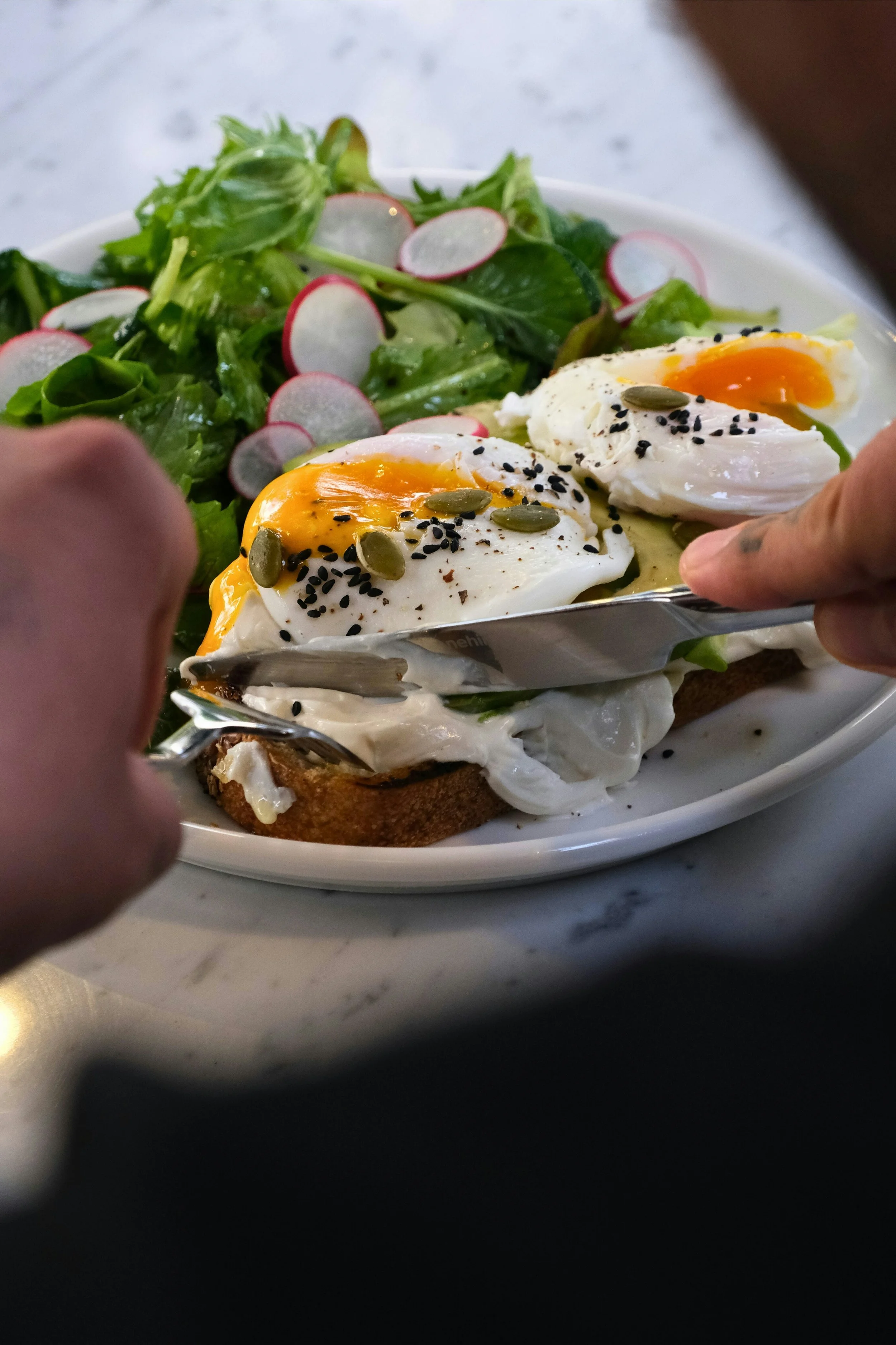
Start with an anchor: eggs, fish, meat, poultry, Greek yoghurt or tofu, with healthy fats such as olive oil, avocado, nuts and seeds. Meals built this way may help you feel fuller for longer and may be gentler on your blood sugar than meals built around bread or cereal. This is where I ask women to change the most, especially at breakfast and lunch, where toast, sandwiches and cereal so often take centre stage.
2. Fill up on above-ground vegetables
Think salad leaves, broccoli, cauliflower, courgette, peppers, green beans, spinach and cabbage. They add volume, fibre and nutrients with very little effect on blood sugar, and higher fibre intake is linked with better blood sugar control [2].
3. Keep bread, pasta and rice as extras
Bread, pasta and rice don't have to disappear. They just stop being the base of the meal and become a smaller extra alongside your protein, fat and vegetables. If you do have them, it may help to eat the vegetables and protein first [3]. A brisk walk after eating may also help your muscles use up glucose [4].

Photo by Jonathan Sanchez on Unsplash
What this looks like on a plate
For most meals, aim for:
A palm-sized portion of protein
A generous amount of non-starchy vegetables
A small extra of slower carbohydrate if you want it, such as a cupped handful of rice, pasta, lentils or berries
A little healthy fat, such as olive oil, nuts, seeds or avocado
This isn't a rigid formula. It's a starting point that you can adjust to how you feel.
Who should be careful
If you take medication for diabetes or blood sugar, speak to your GP or diabetes team before changing how you eat, as your medication may need adjusting. If you have a history of disordered eating, talk to your practitioner first, as any approach that involves paying attention to food needs to be right for you.
Want help putting it into practice?
If you'd like to explore how to put this approach into practice, book a free Explore Call with me to find out ways to work with me.
This article is for general information and isn't a substitute for personal medical advice. If you have a health condition or take medication, speak to your GP or a qualified practitioner before making changes to your diet.
References: