
Is Nature Nutrition? Why Time Outdoors Belongs in Your Health Toolkit
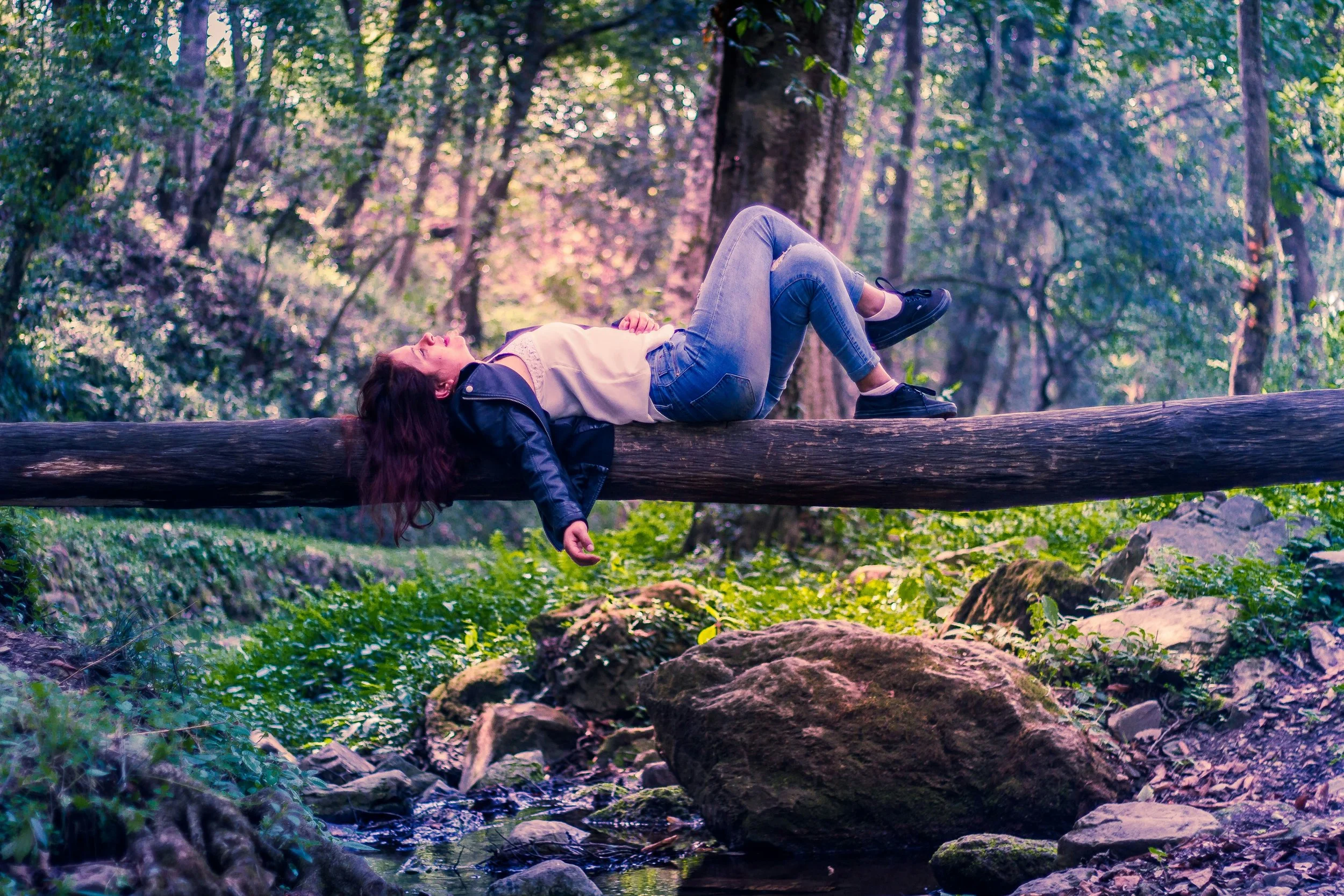
Photo by Sushanta Rokka on Unsplash
What if some of the most powerful things you could do for your health had nothing to do with food?
As a nutritional therapist, I spend a lot of time thinking about what goes in, the nutrients, the fibre, the anti-inflammatory foods, the gut-supporting habits. But the longer I've been in practice, and the more I've drawn on my own health journey, the more I've come to see health as something that extends well beyond the plate.
I've lived with psoriasis for most of my adult life, and alongside that, I've navigated PTSD and the particular demands it places on the nervous system. A chronically dysregulated nervous system doesn't just affect how you feel emotionally, it drives inflammation, disrupts digestion, and keeps the body in a state of high alert that makes healing genuinely harder. I know that from personal experience, not just from the research.
Nature has been one of the most consistent, accessible tools in my own nervous system regulation, long before I fully understood the science behind why. The shift I'd feel after time outside wasn't just psychological. Something was actually changing physiologically. And it turns out, that's exactly what the evidence shows.
Nature therapy sounds gentle, and perhaps even a little vague. But the science behind it is anything but. Time spent outdoors in natural environments has measurable effects on your stress hormones, your gut microbiome, your immune system, and your skin. And for those of us managing chronic inflammatory conditions, that's worth paying close attention to.
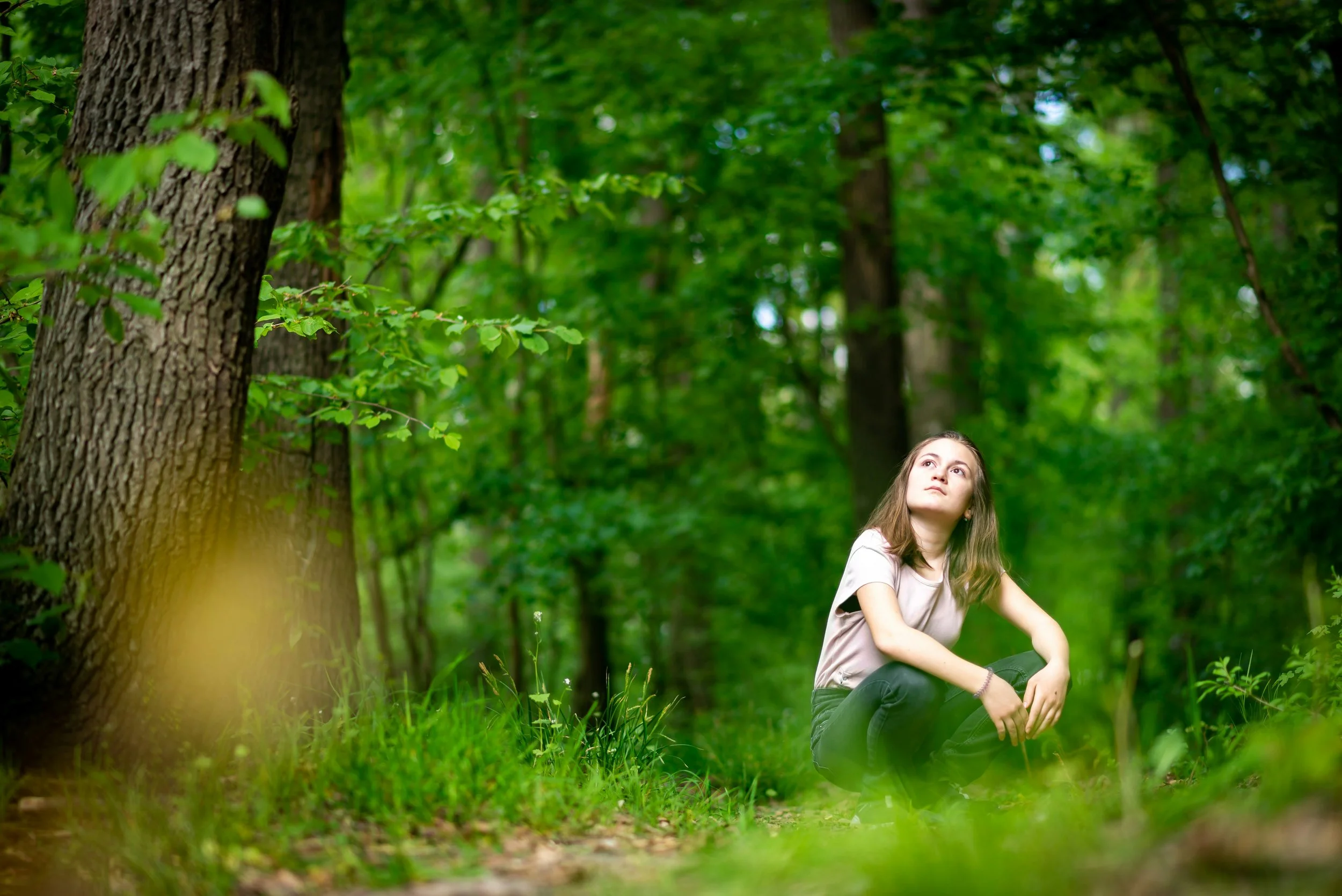
Photo by Michal Vrba on Unsplash
Your nervous system was built for this
Modern life is relentless. The nervous system is exquisitely designed to respond to stress, but it isn’t designed to stay in it, indefinitely. Chronic low-level stress keeps cortisol (a stress hormone) elevated, which over time contributes to systemic inflammation, disrupted digestion, poor sleep, and a dysregulated immune system.(1,2,3)
Nature, it turns out, is one of the most effective interventions we have for bringing that stress response back down.
Research including a meta-analysis of over 50 studies has found that exposure to natural environments may reduce cortisol levels — one of the most commonly used biological markers of stress. Physiologically, spending time in natural environments can also lower blood pressure and reduce inflammatory markers, while supporting cognitive functions like attention and working memory.(4,5)
Forest bathing, the Japanese practice of shinrin-yoku, has been associated with modulation of inflammatory cytokine profiles and shifts toward parasympathetic autonomic dominance (in plain terms: moving you out of fight-or-flight and into rest-and-repair). As one Harvard researcher put it, there is no single pharmaceutical tool that could replicate the broad benefits of a forest.(6,7)
You don't need to live next to ancient woodland to benefit though. Urban parks and green spaces still offer measurable effects, even activities like listening to natural sounds or gardening contribute to these benefits.
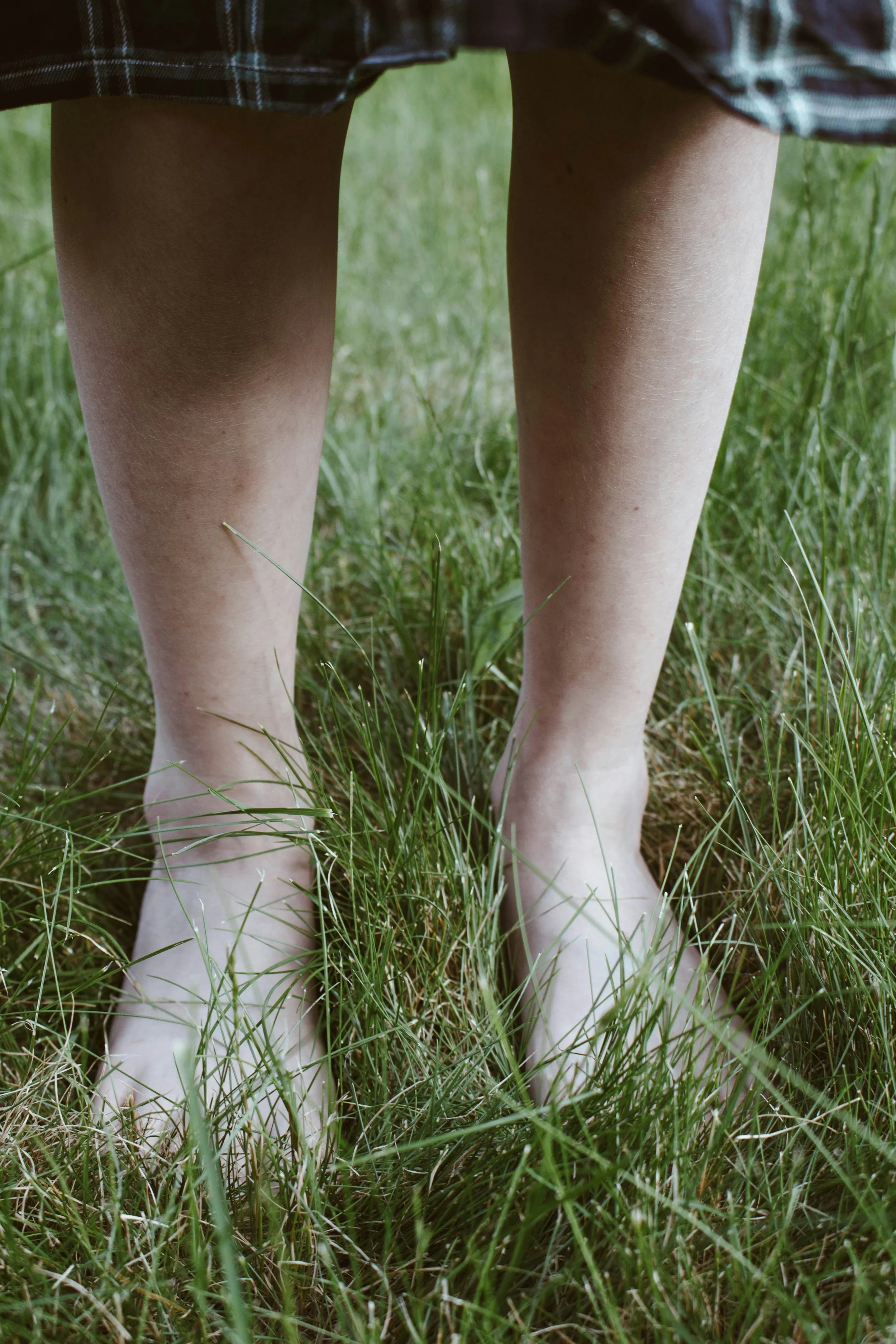
Photo by Keeva Szeto on Unsplash
Nature and your gut: the “old friends” connection
Here’s where it gets fascinating.
Your gut microbiome (the vast ecosystem of microorganisms and their genetic material residing in your digestive tract) has co-evolved with the natural environment for millennia. Research suggests a close evolutionary linkage between the soil microbiome and the human gut microbiome, a relationship that is constantly developing. (8,9)
The “old friends” hypothesis proposes that microbe-rich environments are a source of beneficial microbes that promote gut microbiota diversity, reducing the risk of inflammatory disease. Essentially, our immune systems learned to self-regulate partly because of regular exposure to the microbes in soil, plants, water, and the broader natural environment.(10)
From hunter-gatherers to urban living, the human gut has lost significant microbial diversity, and this loss has coincided with a rise in lifestyle disease linked to gut microbiome disruption.(8)
Exposure to diverse environmental microbes from soil, plants, and water trains the immune system and reduces inflammation. Early-life exposure is now known to be protective against asthma, allergies, and even autoimmune disorders.(11)
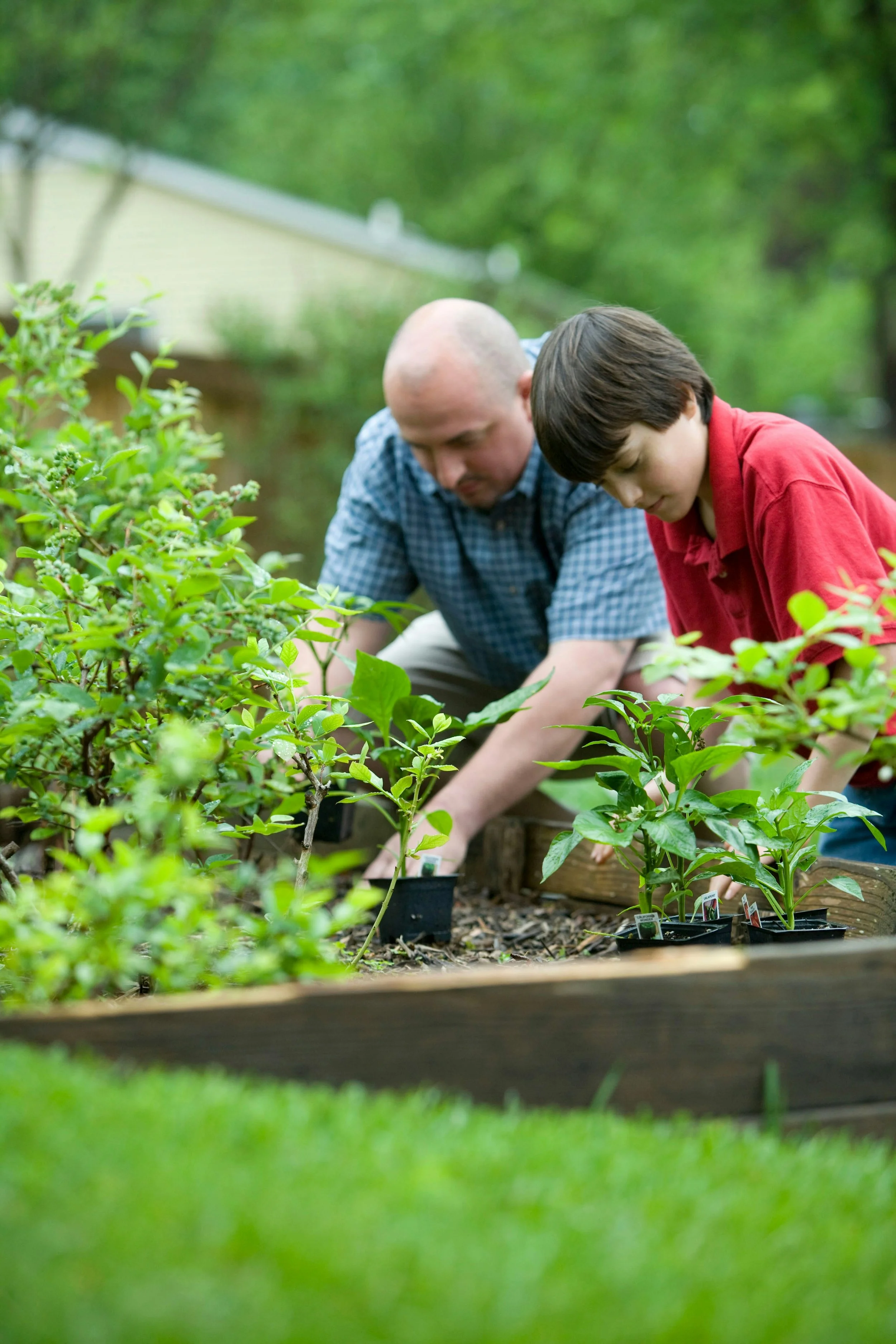
This isn’t a call to eat mud (please don’t!). But, it is a reminder that gardening, walking barefoot on grass, and just spending time physically connecting with natural environments aren’t luxuries. They’re inputs your immune and digestive systems have long relied on.
The bigger picture
What strikes me most about this body of research is what it tells us about the nature of health itself. Our bodies didn't evolve in clinical environments. They evolved outdoors, in contact with soil, plants, moving water, seasonal light, and the microbe-rich natural world.
When we think about nutrition, we tend to think about what's on our plates. But the root-cause lens asks us to think more broadly: what is your nervous system being asked to do every day? What does your microbiome have access to? Is your body getting the natural inputs it needs to regulate itself?
Nature isn't a nice-to-have add-on to a health protocol. For many people, including those managing skin conditions, digestive issues, or the effects of chronic stress, it's an underused and undervalued piece of the puzzle.
So next time you’re wondering what else you can do for your health, step outside. Walk amongst trees if you can. Spend time bare-footed on your lawn. Do a spot of gardening. Because combined with eating a healthier diet, it just might be one of the most nutritious things you can do.

Me and my dog Bertie walking in nature
If you're working to understand the root causes behind your skin or digestive health, I'd love to support you. Book a free Explore Call to find out how nutritional therapy could help.
References:
1. https://pmc.ncbi.nlm.nih.gov/articles/PMC8434839/
2. https://pmc.ncbi.nlm.nih.gov/articles/PMC11546738/
3. https://www.mdpi.com/1422-0067/26/20/9994
4. https://pmc.ncbi.nlm.nih.gov/articles/PMC8125471/
5. https://doi.org/10.14200/jrm.2021.0101
6. https://pmc.ncbi.nlm.nih.gov/articles/PMC12921901/
7. https://magazine.hms.harvard.edu/articles/walk-woods-may-boost-mental-health
8. https://pmc.ncbi.nlm.nih.gov/articles/PMC6780873/
9. https://besjournals.onlinelibrary.wiley.com/doi/full/10.1002/pan3.10082
10. https://www.frontiersin.org/journals/microbiology/articles/10.3389/fmicb.2017.01935/full
11. https://www.sciencedirect.com/science/article/abs/pii/S2213219822005918