
Why ALAN Is Not Your Friend: How Artificial Light At Night Can Undermine Your Health
As winter settled in across the northern hemisphere, our daylight hours shrank and our evenings stretched out. Naturally, during the winter months we spend more time indoors under artificial lighting, screens glowing, LEDs blazing, rooms lit up long after sunset.
There’s a name for the light we’re exposed to at night: ALAN — Artificial Light At Night. And while it feels innocuous, ALAN can quietly reshape the way your body sleeps, recovers and regulates its internal rhythms.
For post-menopausal women in particular, ALAN is worth paying close attention to. The hormonal shifts of menopause already alter sleep architecture, cortisol patterns and metabolic regulation, and artificial light at night compounds each of these effects directly. Understanding ALAN isn't just good general health advice after menopause. It's a genuinely meaningful lever.
This isn’t about rejecting modern life or living by candlelight. It’s about understanding how light interacts with your biology at a cellular level — and how a few simple shifts can support deeper sleep, steadier hormones and more resilient metabolic health.
The Master Clock: How the SCN Responds to Light
At the heart of your internal timing system lies a tiny structure in the brain called the suprachiasmatic nucleus (SCN). This master clock sits in the hypothalamus and takes its cues directly from light entering the retina.
Morning light signals the SCN to boost alertness and energy.
Evening darkness tells it to slow down, release melatonin and prepare the body for rest and repair.
When ALAN enters the eyes after sunset — especially blue-enriched light from screens, LEDs or bright overhead bulbs — the SCN receives a conflicting message:
It’s still daytime. Stay awake.
This single signal can delay melatonin, disturb cortisol rhythms and unsettle the entire circadian system.
The Body’s Other Clocks: Keeping Time Beyond the Brain
While the SCN acts as the conductor, every organ in your body keeps its own rhythm. These peripheral clocks — found in the gut, liver, pancreas, muscles, skin and immune cells — sync themselves to the timing set by the SCN.
When the SCN is confused by night-time artificial light, the message it sends downstream becomes inconsistent.
This mismatch between the master clock and peripheral clocks is known as circadian desynchronisation.
And it’s this misalignment that underpins many of the physiological effects of ALAN.
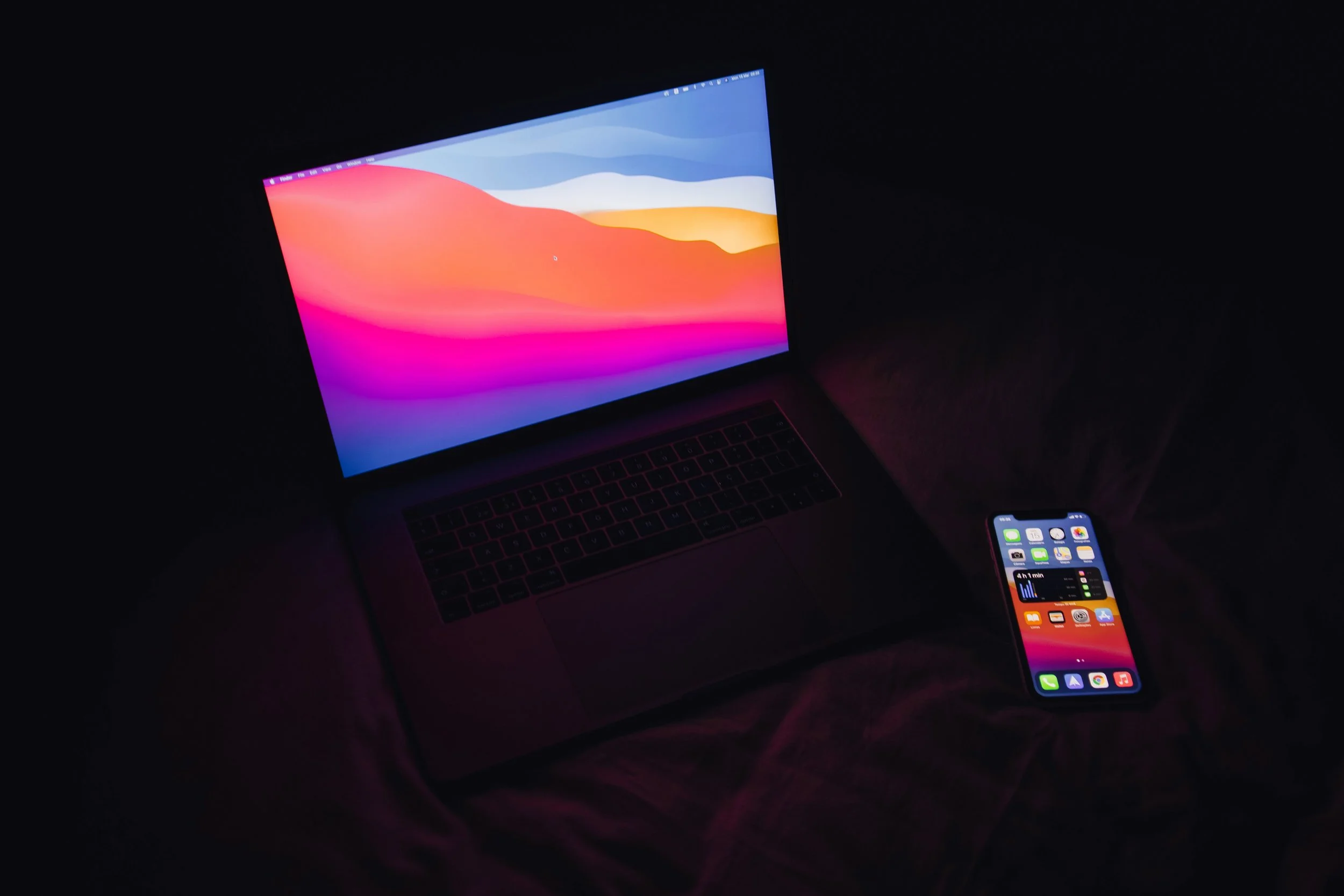
Photo by Nubelson Fernandes on Unsplash
How ALAN Affects Your Biology
1. Sleep Becomes Lighter and Less Restorative
Blue-rich light suppresses melatonin — not just the hormone that helps you fall asleep, but a key antioxidant involved in nightly repair.
When melatonin release is delayed, the brain struggles to shift into deep, restorative sleep.
2. Stress Hormones Stay Elevated
Cortisol is designed to fall in the evening.
Bright or cool-toned light keeps it higher than it should be, making it harder to unwind and increasing the tendency toward:
Restlessness
Difficulty switching off
Night-time waking
3. Glucose and Insulin Regulation Become Impaired
Peripheral clocks in metabolic tissues rely on strong day–night signals.
ALAN reduces insulin sensitivity and glucose tolerance, meaning even a single evening of bright light exposure can alter how you process food and regulate metabolic processes.
Over time this influences:
Cravings
Morning energy
Fat storage patterns
Inflammation
For post-menopausal women, whose insulin sensitivity is already reduced by declining oestrogen, this effect is particularly significant.
4. Mitochondria Lose Their Rhythm
Mitochondria (our cellular powerhouses) expect a shift into repair mode at night.
Misaligned light exposure blunts this transition, increasing oxidative stress and reducing energetic efficiency.
5. Cognitive Performance Suffers
The brain needs darkness to transition into memory consolidation and recovery.
Artificial evening light can leave you feeling “wired but tired”, and the next day may bring:
Slower focus
Reduced resilience to stress
Impaired decision-making
Post-menopausal women who are already navigating brain fog or cognitive changes may find that ALAN is a quietly significant but overlooked contributing factor.
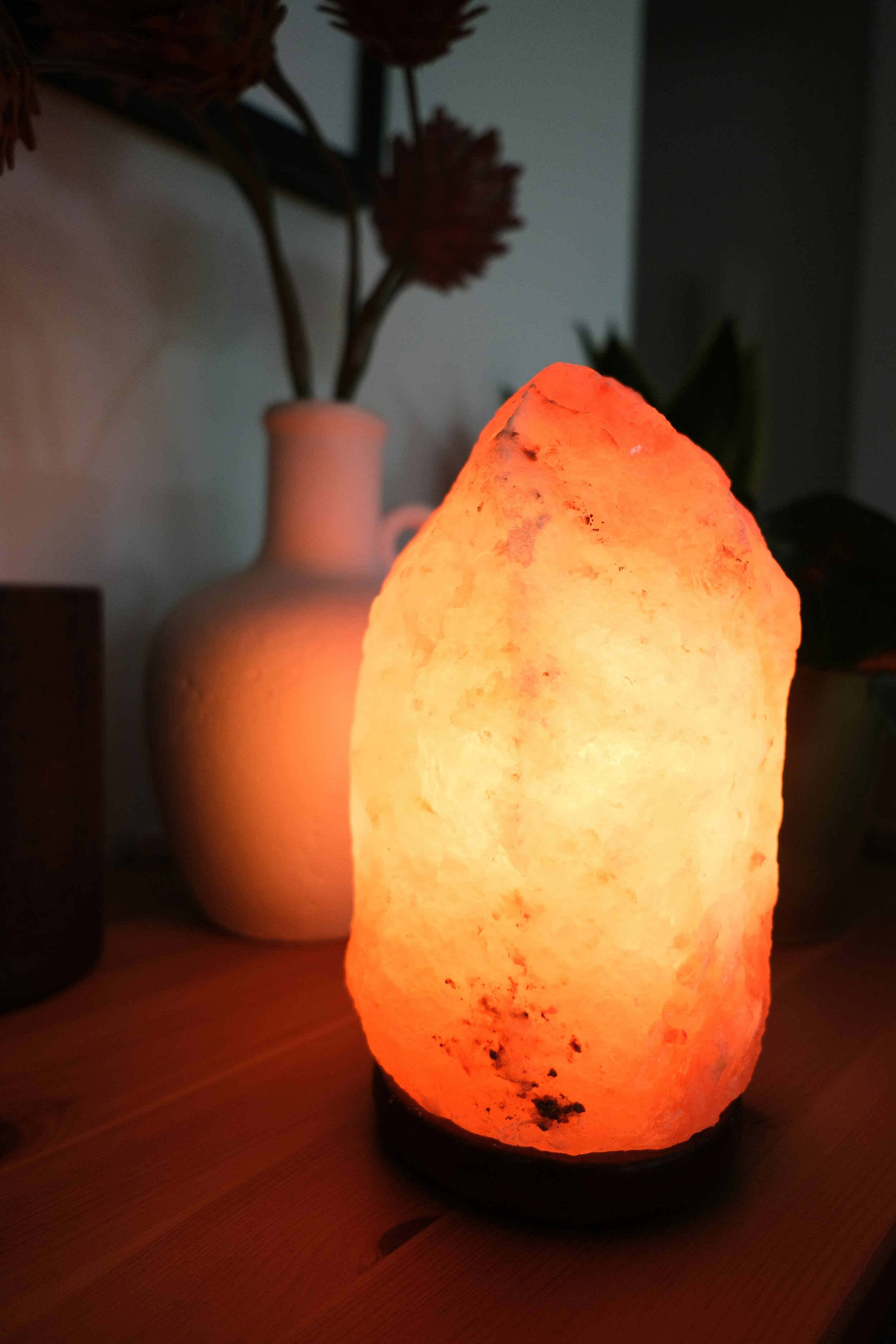
Photo by Simeon Birkenstock on Unsplash
Practical Ways to Reduce ALAN Without Disrupting Your Lifestyle
You don’t need to eliminate light — just shape it more intentionally.
1. Keep Evening Lighting Gentle
Instead of bright overheads, opt for:
Lamps
Warm-toned bulbs (special bulbs can be purchased here)
Salt lamps
Low, cosy lighting
Your goal is a softer environment that allows the brain to recognise “night”.
2. Tame Screen Light
If evening screen use is unavoidable:
Activate warm-tone or “night shift” settings
Wear amber or red-tinted blue-light–reducing glasses (available here)
Keep screen brightness as low as comfortable
These small steps reduce melatonin suppression significantly.
3. Create a Simple “Digital Sunset”
Aim for 60–90 minutes without screens or bright artificial light before bed.
This gives the SCN a clear, uninterrupted cue to begin the sleep cascade.
4. Get Morning Light Exposure
Counterintuitive as it sounds, the best protection against evening SCN disruption is morning light.
Just a few minutes outdoors shortly after waking:
Strengthens your circadian rhythm
Helps regulate cortisol/melatonin
Improves sleep timing
Supports metabolic balance
Even cloudy daylight is powerful.
5. Support Your Metabolic Rhythm Through Nutrition
When circadian alignment is compromised, nourishing, timely eating patterns make a real difference:
Include protein and some healthy fats with evening meals
Consider earlier, lighter dinners where possible
Prioritise magnesium-rich and antioxidant-rich foods
Drinking 300ml of tart cherry juice in the evenings can support melatonin levels
These help stabilise blood sugar and reduce oxidative stress at night.
6. Prioritise Darkness in the Bedroom
A truly dark sleeping environment allows the SCN and peripheral clocks to realign fully:
Use blackout curtains
Cover LEDs on chargers and devices
Consider a soft sleep mask if required
Your circadian system is extremely sensitive to even small amounts of light.
Photo by Stephanie Klepacki on Unsplash
Final Thoughts
During winter, when we naturally spend more time indoors and the nights arrive early, our exposure to artificial light grows, often without us realising. For post-menopausal women navigating sleep difficulties, metabolic changes or cognitive shifts, this is worth taking seriously.
Understanding ALAN isn't about perfection or restriction. It's about creating an evening environment that supports your biology rather than working against it.
A few simple lighting changes can help restore the rhythms your body depends on to repair, regulate, and thrive.
If sleep, energy and metabolic health are areas you're navigating after menopause, I'd love to support you. Find out more about the ways we can work together at revolutionnutrition.co.uk/better-after-menopause