
Exploring ADHD Traits and Neurodiversity in Adults: Insights from Genetics, Brain Chemistry and Gut Health
If you’re an adult who relates to ADHD traits — or you’ve spent years trying to understand why focus, motivation or emotional steadiness sometimes feel unpredictable — gaining clarity on your biology can be life-changing. Many people describe an active, fast-moving mind that doesn’t always cooperate with their intentions, leaving them searching for answers.
For decades, ADHD was thought of mainly as a “dopamine issue.” Today, research paints a richer picture: brain chemistry, genetics, gut health and lifestyle all interact to shape attention, emotional balance and cognitive performance.
Understanding these factors — including neurotransmitters, the gut–brain axis and genetic testing for ADHD-related pathways — can help you make sense of your experience and discover personalised strategies to support your wellbeing.
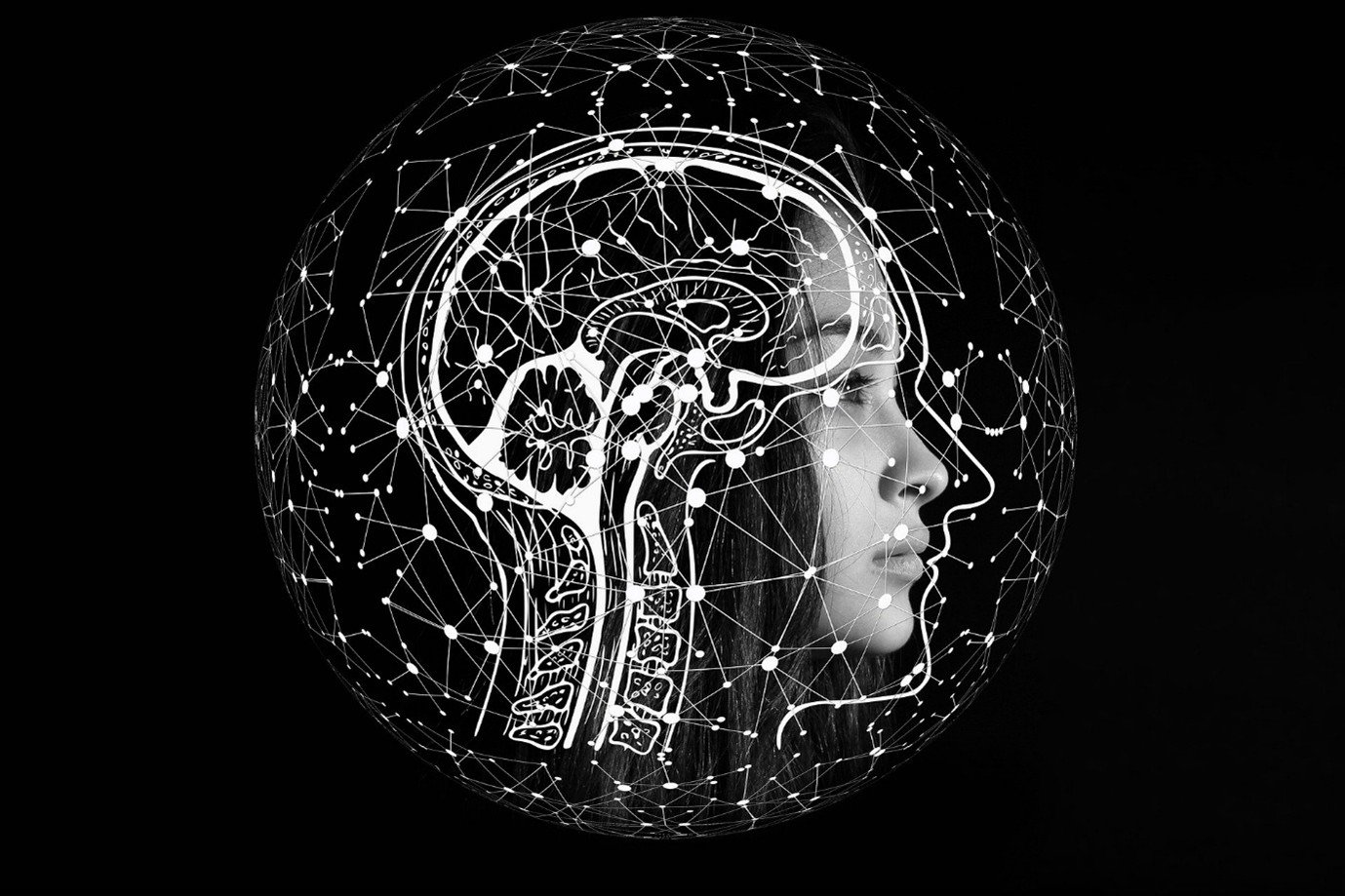
Image by Gerd Altmann from Pixabay
Neurotransmitter Influencers in Adult ADHD – More Than Just Dopamine
Neurotransmitters are the chemical messengers that help your brain communicate. In adult ADHD, three key neurotransmitters are especially relevant:
Dopamine — motivation, reward and task initiation
Noradrenaline — alertness, focus and sustained attention
Serotonin — mood balance, emotional regulation and impulse control
Rather than a simple shortage of dopamine, current research suggests dysregulation — meaning these messages may not be transmitted with the timing or intensity your brain needs.
This helps explain why ADHD presents so differently in adults. Some find starting tasks difficult; others manage constant restlessness; many experience emotional intensity or fluctuating focus.
Your unique neurochemical patterns play a significant role.
How Genetics Influence ADHD Traits in Adults
Your genes influence how effectively neurotransmitters are produced, recycled and balanced. Subtle genetic variations can affect neurosignalling pathways associated with dopamine, serotonin, GABA and noradrenaline.(1)
These variations don’t indicate a flaw — they highlight individual neurodiversity and help explain why:
certain foods or nutrients impact your focus or energy
stress affects you differently
your emotional responses have a distinct rhythm
you gain more (or less) benefit from specific lifestyle habits
Emerging research shows that knowing your genetic tendencies can offer deeper insight into attention, motivation, emotional regulation and stress resilience.(2,3)
What Genetic Testing Can Reveal About Your Brain Chemistry
A nervous system genetic test can give adults personalised insights into the pathways most associated with ADHD traits.
It does not diagnose ADHD — but it can reveal meaningful patterns in:
neurotransmitter production and clearance
your sensitivity to stress
your mood and focus cycles
nutrient needs linked to brain chemistry
Test results often highlight nutrients that may support cognitive function, such as vitamins D and B, zinc, magnesium and omega-3 fatty acids.(3)
Genetic insights can also shed light on sleep tendencies, concentration patterns and emotional balance.(4,5,6)
This information helps you choose targeted strategies aligned with your biology. Testing can help understand your traits better, like finding pieces of a jigsaw puzzle.

Image by congerdesign from Pixabay
The Gut–Brain Axis: Why Gut Health Matters in ADHD and Neurodiversity
The gut–brain axis is a communication network linking your digestive system with your nervous and immune systems. Your gut ‘microbiome’ — the collective community of trillions of microbes living in the digestive tract — plays a powerful role in:
inflammation and immune regulation
nutrient absorption
neurotransmitter synthesis
emotional wellbeing and cognitive clarity
Research shows that individuals with ADHD often display differences in their gut microbiome. Beneficial bacteria involved in dopamine and serotonin production may be less abundant, while inflammation-related microbes may be more common — and digestive symptoms such as IBS, constipation or bloating occur more frequently.(7)
Gut health isn’t the “cause” of ADHD, but it is strongly linked with focus, mood and mental clarity, making it a valuable area for personalised support.
A comprehensive stool (microbiome) test can provide insight into how your gut environment may be influencing your brain and behaviour. It can reveal:
microbiome diversity and balance
digestion and nutrient absorption efficiency
inflammation or gut barrier issues
indicators affecting neurotransmitter pathways
This kind of personalised information can help guide targeted nutrition and lifestyle recommendations to support clearer focus, steadier emotions and improved digestive wellbeing.
Simple Nutrition and Lifestyle Strategies to Support ADHD Naturally
Whether or not you pursue testing, evidence shows that small, consistent habits can nurture your neurochemistry and microbiome:
Prioritise a whole-food, nutrient-dense diet to support brain and gut health.(8)
Crowd out meals with as many different plant foods as possible to encourage microbial diversity.(9)
Add omega-3 sources — oily fish, flaxseed, chia, walnuts — to support brain function.
Engage in regular movement to improve dopamine sensitivity and gut motility.
Protect sleep, which is essential for cognitive clarity and gut repair. If sleep is a problem area for you – you may like to read my better sleep blog here.
Build in gentle stress-reducing rituals such as breathing practices, mindfulness or time in nature.
Be kind to yourself – practising self-compassion can be incredibly powerful
These foundations can significantly enhance focus, emotional balance and overall wellbeing.
A Personal Note: How Understanding My Own Neurobiology Changed Everything
For as long as I can remember, I felt different. As a child, it showed up as a constant sense of being “out of step” with everyone around me. By my teen years, this difference became much harder to carry. I didn’t feel like I truly fitted anywhere, and social situations felt overwhelming. Alcohol became an easy ally, not because I enjoyed it, but because it softened the anxiety I didn’t yet know how to navigate.
Adulthood brought new layers of struggle. I worked incredibly hard, yet constantly felt as though I could never reach my full potential. Even completing a degree — something I’m deeply proud of — left me burnt out from the sheer intensity of mental and emotional energy it required. Starting tasks was hard, finishing them was harder, and the gap between what I knew and what I could consistently put into practice felt enormous.
I also lived with IBS from my teens onward, which I always suspected was tied to stress and my nervous system. At the time, I didn’t realise how deeply connected the gut and brain truly are, how my gut symptoms, energy fluctuations, and emotional intensity were all intertwined. Looking back, many of the digestive challenges I faced were linked to the same genetic variations I would later discover in my nervous system report, including pathways affecting neurotransmitters and stress response. Understanding these connections has been profoundly validating.
Social anxiety, overwhelm, and the physical stress of my gut issues often led to cycles of isolation or binge eating refined carbohydrates, coping mechanisms that provided temporary relief but never addressed the underlying patterns. I knew certain healthier habits helped, but sustaining them consistently felt almost impossible. My nervous system was always on high alert.
With age, some of the intensity softened. Menopause, in its own way, shifted the hormonal backdrop that had amplified so much of my experience. But it wasn’t until I received my nervous system genetic report that everything clicked into place.
The report highlighted multiple genetic variations across dopamine, serotonin, GABA, and adrenaline pathways — including a very slow COMT gene, explaining why I had always responded so strongly to stress and why time in nature had felt like natural medicine long before I understood why. For the first time, the puzzle pieces of my mental, emotional, and physical patterns made sense, including my digestive health struggles.
Seeing my neurobiology on paper — objectively, compassionately — gave me something I had never had before: deep self-understanding and permission to stop blaming myself.
It was life-changing.
Instead of viewing my traits as personal failings, I could finally see them as biological patterns. That shift unlocked a level of self-compassion I had never experienced. And with that came empowerment — the motivation to prioritise practices that genuinely supported my mind and body:
spending time in nature every day to help clear adrenaline and reduce cortisol
prioritising protein and healthy fats to stabilise energy and focus
pacing myself without guilt
creating routines that worked with, not against, my neurochemistry
nurturing my gut health, which now supports both mental clarity and wellbeing
Understanding how my genetics intersected with my nervous system and gut health didn’t just give me information, it gave me affirmation, clarity, and a kinder relationship with myself.
It’s one of the reasons I’m so passionate about supporting others on their own journey of neurodiversity and well-being. When you understand why you feel and respond the way you do, everything becomes more possible.

Nature and self-compassion are two of my greatest allies
Connecting the Dots: A Holistic View of ADHD, Genes and Gut Health
ADHD is influenced by much more than dopamine alone. Genetics, neurotransmitters and gut health all contribute to the way your brain works and how you experience the world. When you understand these biological layers, it can really help to increase self-compassion, gain deeper personal insights, and develop ways to support your strengths and help ease everyday challenges.
Curious to Explore Your Own Neurodiversity?
If you’re ready to understand your unique brain chemistry, how your genetics may influence your focus, motivation, and emotional balance, or simply want guidance on creating personalised strategies that truly work for you, I’d love to support you.
Book a FREE Explore Call today — a relaxed, no-pressure conversation to discuss your questions, goals, and what personalised support could look like for you.
References
1. https://doi.org/10.1038/s41398-021-01473-w
2. https://doi:10.1192/bjo.2024.837
3. https://doi.org/10.3389/fnut.2025.1586925
4. https://doi.org/j.ejphar.2018.08.008
5. https://doi.org/10.3389/fnmol.2024.1376762
6. https://pmc.ncbi.nlm.nih.gov/articles/PMC8761080/
7. https://doi.org/10.1038/s41598-025-04303-x
8. https://doi.org/10.1016/j.clneso.2019.10.013
9. https://doi.org/10.1038/s42255-024-01108-6