
Creatine: A Comprehensive Guide for Women
What it is, why it’s everywhere on social media, and how it supports female health — especially after menopause
Creatine has rapidly shifted from a niche sports supplement to a mainstream wellness topic — particularly among women interested in strength training, healthy ageing, brain health, and menopause support.
But with its rise in popularity has come confusion, misinformation, and oversimplified claims.
This article provides a clear, clinically informed guide to creatine, explaining how it’s made in the body, why women may be more vulnerable to insufficiency, how it supports health across the female lifespan, and how to use it safely and effectively.

Photo by Brandon Morales on Unsplash
What Is Creatine?
Creatine is a naturally occurring nitrogen-containing compound synthesised from the amino acids glycine, arginine, and methionine. Approximately 95% of the body’s creatine is stored in skeletal muscle, with the remainder found in the brain and other high-energy tissues.(1)
Its primary function is to support cellular energy production, particularly during short bursts of high demand. Creatine is stored as phosphocreatine, which helps regenerate ATP — the body’s main energy currency.
Although often marketed as a “muscle-building supplement”, creatine is more accurately described as a core energy-support molecule with wide-ranging physiological roles.
Endogenous Creatine Synthesis: How the Body Makes It (and When This May Be Compromised)
The human body synthesises approximately 1–2 grams of creatine per day, primarily in the liver, kidneys, and pancreas.
This occurs via a two-step process(2):
Arginine and glycine combine to form guanidinoacetate
Guanidinoacetate is then methylated to creatine, using SAMe, which depends on adequate methylation capacity
Why Endogenous Production May Be Reduced
1. Suboptimal Methylation Status
The final step of creatine synthesis requires methylation.(2) If methylation pathways are under strain — for example in individuals with MTHFR variants or increased methylation demand — creatine production may be less efficient.
In these cases, endogenous creatine synthesis can:
Increase demand for methyl donors
Compete with other methylation-dependent processes
Become a bottleneck for overall energy metabolism
Supplementing creatine may therefore reduce methylation burden, rather than increase it.
2. Insufficient Dietary Cofactors (Common in Clinical Practice)
Creatine synthesis depends on adequate availability of(2):
Protein and essential amino acids
Vitamin B12
Folate
Choline
Insufficiencies in these nutrients — particularly common in women with:
Low protein intake
Digestive dysfunction
Restricted or plant-based diets
Increased physiological stress
…may impair the body’s ability to maintain optimal creatine stores.
Importantly, endogenous creatine production also declines with age, making reliance on diet and supplementation more relevant over time(3).
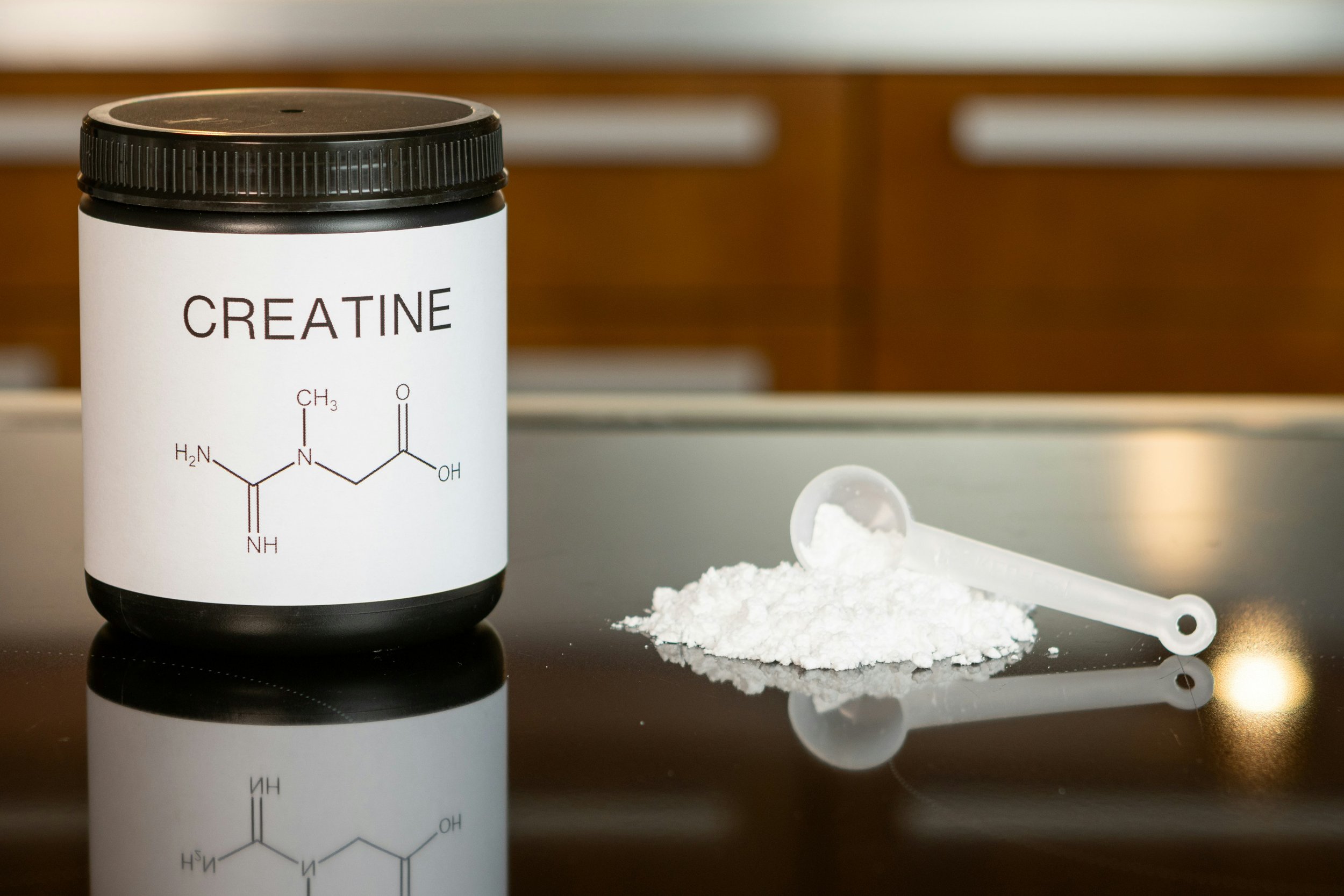
Photo by Aleksander Saks on Unsplash
Key Physiological Roles of Creatine
Muscle Strength and Power
Creatine increases phosphocreatine availability, supporting:
Improved strength and power output
Enhanced exercise performance
Better recovery from training
Women typically have lower baseline creatine stores than men, which may partly explain why they often respond particularly well to supplementation.(3,4)
Lean Mass Preservation
Creatine helps support:
Reduced muscle protein breakdown
Improved training adaptations
Maintenance of lean mass during ageing or caloric restriction
Preserving muscle is critical for metabolic health, insulin sensitivity, and long-term independence.
Brain and Cognitive Energy
Creatine plays a role in brain energy metabolism and may help support:
Mental performance under stress
Reduced cognitive fatigue
Neurological resilience
This is of increasing interest during periods of hormonal change, sleep disruption, or high cognitive demand.
Bone Health (Indirect Support)
By improving muscle strength and function, creatine indirectly supports bone density, as muscle loading is a primary stimulus for bone maintenance.
Why Creatine Is Particularly Relevant for Women Post-Menopause
Following menopause, women experience:
Accelerated muscle loss (sarcopenia)
Declines in muscle power and recovery
Reduced mitochondrial efficiency
Increased fracture risk
Oestrogen plays a key role in muscle repair and mitochondrial health, and its decline makes maintaining muscle more challenging.
Creatine has been shown to:
Enhance strength gains from resistance training
Improve muscle function even without formal exercise (though training amplifies benefits)
Support functional capacity and quality of life
This makes creatine a particularly useful adjunct for post-menopausal women, especially when combined with adequate protein intake and resistance training.(3,4)
Natural Dietary Sources of Creatine
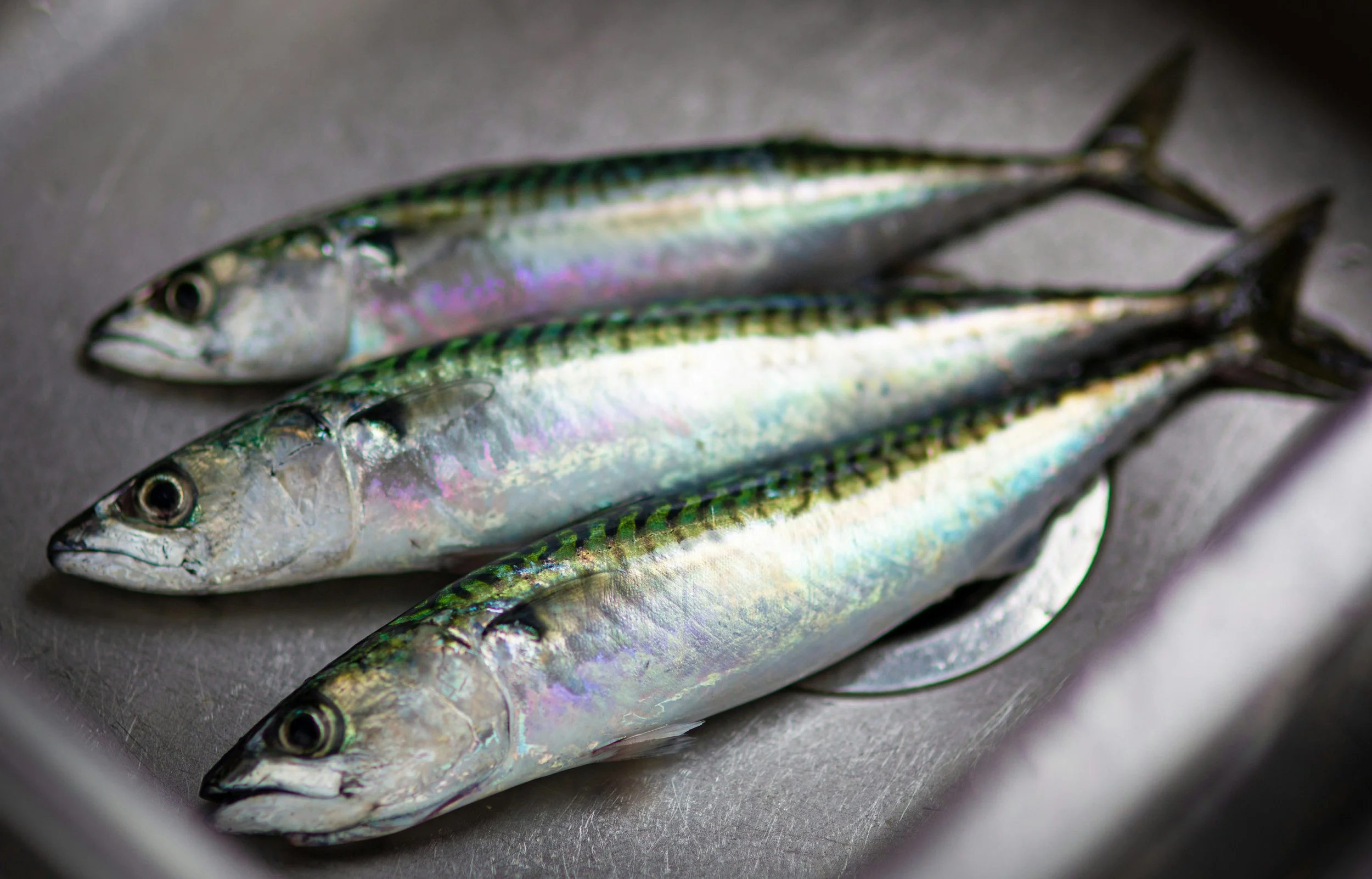
Creatine is found almost exclusively in animal-based foods, including:
Red meat (beef, lamb)
Poultry
Fish (especially herring, salmon, tuna)
To put this into context:
~500 g raw beef provides approximately 1–2 g of creatine
Women who eat little red meat, have reduced appetite with age, or follow plant-based diets are more likely to have lower creatine stores, even with otherwise adequate nutrition.
Creatine Supplementation: Practical Guidance
Best Form
Creatine monohydrate remains the most researched, effective, and well-tolerated form. There is no consistent evidence that newer or “buffered” forms provide additional benefits.
Dosing Strategy (Simple and Well Tolerated)
Loading phase
5 g per day for 14 days
Maintenance phase
3–5 g per day
Dose can be adjusted based on body size, muscle mass, and activity levels
This approach avoids the gastrointestinal side effects sometimes seen with aggressive loading protocols and is suitable for most women.(5,6)
Timing
Creatine can be taken:
At any time of day
With meals to improve tolerance
Post-exercise if training regularly
Consistency is more important than timing.
Safety Considerations and Kidney Health
Creatine is one of the most extensively studied supplements available and is considered safe for healthy individuals.
Key points worth understanding:
Creatine does not damage healthy kidneys
Supplementation can raise blood creatinine levels — a breakdown product of creatine — without indicating kidney dysfunction
Important Clinical Nuance
Creatinine levels are influenced by:
Muscle mass
Creatine intake
Exercise-induced muscle microdamage (especially resistance training)
This means that:
Raised creatinine in active individuals or creatine users does not automatically indicate impaired kidney function
Interpretation of kidney markers requires context, ideally alongside markers such as eGFR and clinical history
Individuals with known kidney disease or reduced kidney function should only supplement under professional guidance.(5,6)
Potential Side Effects
Gastrointestinal Symptoms
Some individuals experience:
Bloating
Loose stools
Abdominal discomfort
These are usually dose-related and improve when:
Reducing dose
Taking creatine with food
Avoiding large single doses
Sleep Disturbance
Occasionally reported effects include:
Increased alertness
Difficulty falling asleep
If this occurs, avoid evening dosing and take creatine earlier in the day.
Weight Changes
Creatine may cause a small increase in body weight due to increased intracellular water in muscle, not fat gain.(5,6)
Frequently Asked Questions About Creatine (Women-Focused)
Q. Will creatine make me bulky?
No. Creatine supports strength and lean mass but does not cause excessive muscle growth without targeted training and sufficient calories.
Q. Is creatine safe for women?
Yes. Creatine is safe for women across the lifespan when used appropriately and at evidence-based doses.
Q. Can creatine help with menopause symptoms?
Creatine does not treat menopausal symptoms directly, but it can support muscle strength, energy metabolism, and physical resilience during this transition.
Q. Do I need to lift weights for creatine to work?
Resistance training amplifies the benefits, but creatine can still support muscle and energy metabolism even without structured training.
Q. Is creatine suitable if I have digestive issues?
Many people with digestive sensitivity tolerate creatine well at low doses taken with food. Individual tolerance should always be considered.
Q. Can vegetarians or vegans take creatine?
Yes — and they may experience particularly noticeable benefits due to lower baseline creatine stores.
Final Thoughts
Creatine is not a passing trend. Its renewed attention reflects a broader shift toward prioritising muscle, strength, and metabolic health as foundations of female wellbeing — particularly during midlife and beyond.
When used thoughtfully, creatine is a well-researched, accessible tool that can support women through hormonal transitions, ageing, and active lifestyles — without hype or unnecessary complexity.
As always, supplementation should be personalised and integrated into a wider foundation of nutrition, movement, sleep, and digestive health.
References:
Dietary exposure to creatine-precursor amino acids in the general population - PubMed
Creatine biosynthesis and transport in health and disease - ScienceDirect
Creatine in women’s health: bridging the gap from menstruation through pregnancy to menopause - PMC
Creatine Supplementation in Women’s Health: A Lifespan Perspective - PMC
A short review of the most common safety concerns regarding creatine ingestion - PMC
Does one dose of creatine supplementation fit all? - ScienceDirect